Bulky rubbish clearance near East Croydon station
Posted on 14/07/2026
Bulky rubbish clearance near East Croydon station: a practical local guide
If you are trying to sort out bulky rubbish clearance near East Croydon station, you probably want one thing above all: a quick, straightforward way to get unwanted items gone without turning your day into a logistical headache. Fair enough. Large furniture, broken appliances, old mattresses, office clutter, and renovation leftovers can block hallways, make a flat feel cramped, and create that familiar "I'll deal with it later" stress that somehow gets louder every day.
This guide walks through how bulky waste clearance works in a busy station-side part of Croydon, what to expect, how to prepare, and how to choose a service that is reliable, compliant, and actually worth paying for. You will also find practical tips, common mistakes, and a simple checklist you can use before you book.
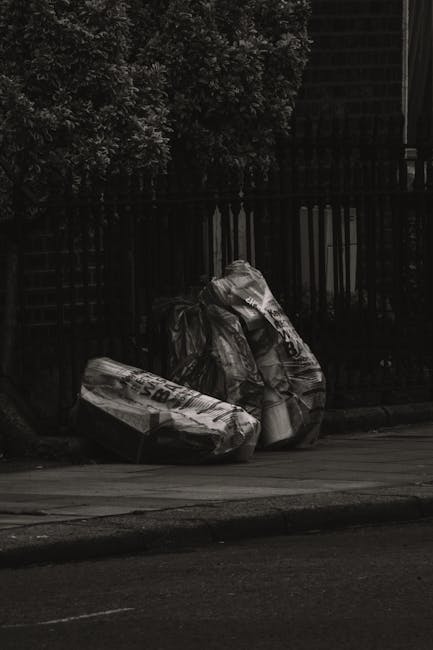
Why bulky rubbish clearance near East Croydon station matters
East Croydon station is one of those places where space, timing, and access matter more than people expect. It is busy, residential, and commercial at the same time. You have flats above shops, small offices, managed buildings, rental properties, and homes where stairwells are narrow and parking is never exactly generous. That makes bulky rubbish clearance a little more involved than simply "put it out the front and hope for the best".
Bulky waste is usually anything too large or awkward for normal bins and routine household waste collection. Think wardrobes, sofas, broken desks, filing cabinets, bed frames, white goods, renovation offcuts, or a mixture of junk from a loft, garage, or office cupboard that has finally reached breaking point. In a location near the station, the challenge is not just the waste itself. It is the practical reality of moving it safely, quickly, and without upsetting neighbours, building managers, or passers-by.
To be fair, a lot of people only realise how inconvenient bulky items are once they are already in the hallway. A two-seater sofa on a second-floor landing suddenly feels like a much bigger problem than it did when you bought it. That is exactly why a planned clearance is so useful: it turns a messy, awkward job into a controlled one.
It also matters because poorly handled waste can create avoidable issues. Obstructed exits, damaged walls, blocked communal areas, and fly-tipped items are all problems that can snowball. If you are in a rented property, managed block, or commercial unit, that can become more than just annoying. It can become expensive.
If your clearance needs overlap with broader home or business waste removal, it can help to think of it as part of a wider disposal plan rather than a one-off panic fix. For a broader overview of service types, the services overview is a useful place to orient yourself before deciding what needs collecting.
How bulky rubbish clearance near East Croydon station works
The process is usually simpler than people imagine, but there are a few moving parts. The core idea is that you tell the provider what you need removed, they estimate the load and access conditions, then the waste is collected and taken for sorting, reuse, or disposal.
In practical terms, a typical bulky clearance near East Croydon station follows this pattern:
- Share what needs removing. List the items, ideally with photos. A sofa and a mattress are very different from a full office clear-out, even if both look like "a lot of stuff".
- Explain the access. Mention stairs, lifts, parking restrictions, loading times, basement storage, communal entrances, or tight turnings. Near the station, access details often matter as much as the items themselves.
- Get a quote or estimate. The cost usually depends on the volume, weight, labour involved, and whether any item needs special handling.
- Prepare the space. Move small loose items out of the way, clear a route, and separate anything you want to keep. It sounds obvious, but it saves time.
- Collection day. The team arrives, confirms the load, removes the items, and takes them away.
- Sorting and disposal. Reusable and recyclable materials are separated where possible; the rest is disposed of through the appropriate channels.
If the job involves furniture, white goods, or mixed household contents, you may find it useful to look at the dedicated pages for furniture removal in Croydon and white goods and appliance disposal. Those services are often the best fit when the bulky items are specific rather than mixed.
One thing people sometimes miss: bulky rubbish clearance is not only about lifting. The efficient part is the planning. If the vehicle cannot park close enough, or if building access is awkward, what looked like a 20-minute job can become a slow, frustrating one. A good provider will ask about those details before arrival. If they do not, that is a little red flag, frankly.
Key benefits and practical advantages
There are obvious benefits, and then there are the less obvious ones that only show up once the job is done.
- You get space back quickly. That is the immediate win. A room can change from unusable to functional in one visit.
- You avoid DIY lifting risks. Bulky items are awkward, heavy, and often sharp at the edges. Back strain is no joke.
- You reduce hallway clutter. In flats and shared buildings, keeping communal areas clear is a big deal.
- You save multiple trips. One organised collection is usually more efficient than trying to jam a sofa into a car at 7:30 on a wet Tuesday.
- You keep disposal compliant. Proper waste handling matters, especially for commercial or mixed loads.
- You can clear mixed waste in one go. Many people near East Croydon station are dealing with more than one category: old furniture, office rubbish, and a bit of refurbishment debris, all in the same pile.
There is also a time-saving benefit that does not always get enough attention. In a busy area, your own time is valuable. If you are working around station traffic, deliveries, school runs, or a tight moving schedule, being able to hand off the whole issue is a real relief.
For people refreshing a property before sale or letting, this can be especially useful. If you are in that position, the articles on Croydon property sales and real estate investments in Croydon offer a wider view of why a clean, uncluttered space can matter in property presentation. Not a magic wand, of course, but it helps.
Expert summary: the best bulky waste jobs are not the ones with the biggest truck. They are the ones planned well, priced clearly, and cleared without drama.
Who this is for and when it makes sense
Bulky rubbish clearance near East Croydon station suits a surprisingly wide mix of people. Some are obvious, others less so.
Typical scenarios
- Residents moving house who need to clear broken furniture, excess boxes, or items not worth transporting.
- Landlords and letting agents dealing with left-behind furniture or abandoned household waste.
- Small businesses clearing office desks, shelving, packaging, or outdated equipment.
- Students or sharers replacing worn items in compact flats.
- Homeowners carrying out a declutter before renovation, sale, or a cleaner reset.
- Tradespeople who have a mix of bulky offcuts, packaging, and old fixtures after light refurbishment.
It makes sense when the waste is awkward, too heavy to move safely alone, too much for your own vehicle, or too inconvenient to leave sitting around. Sometimes the trigger is simply that the item has become a nuisance. A broken bed base leaning in the corner of a room does that. It just sits there, judging you.
If the load includes construction rubble, bricks, plaster, or heavy renovation leftovers, a specialist service may be more appropriate. You can read more about that through builders waste disposal in Croydon. For mixed domestic clearances, domestic waste collection or rubbish collection may be the better fit.
Step-by-step guidance
If you want the smoothest possible clearance, follow a simple process. Nothing flashy. Just good preparation.
- Identify what is actually going. Group items into keep, donate, recycle, and remove. You would be surprised how often people book a clearance and then rescue half the pile at the last minute.
- Check for special items. Fridges, freezers, gas appliances, mattresses, or anything with potential contamination may need handling notes. Mention these early.
- Take a few photos. Wide shots plus close-ups are enough in most cases. Make sure access points are visible if possible.
- Measure large items where needed. For wardrobes, sofas, and beds, rough dimensions help avoid surprises.
- Tell the provider about access. Lift working? Parking permit needed? Narrow stairwell? Delivery bay time limits? This is the stuff that saves the day.
- Ask how the waste will be managed. Reuse, recycling, and responsible disposal are all worth asking about.
- Prepare cash-free, safe payment if offered. That keeps things tidy and reduces admin, especially if you are managing a property or office.
If the clearance is tied to a larger property clean-out, a fuller service such as house clearance in Croydon or office clearance may be more efficient than arranging several smaller jobs. The trick is not to overspecify, but not to under-prepare either. That middle ground is where things go well.
And yes, if you are wondering whether you should just drag everything out yourself, the answer is: maybe. But only if the items are genuinely manageable, the route is safe, and you are not going to spend all afternoon regretting the decision.
Expert tips for better results
Here are the details that tend to make the difference between a smooth clearance and a stressful one.
- Bundle similar items together. Furniture in one area, smaller junk in another. It speeds up loading and helps with pricing clarity.
- Keep walkways clear. A clear path is safer for everyone and protects walls, doors, and floors.
- Separate reusable items if you can. A still-usable table or chair may be better handled differently from damaged waste.
- Be honest about the volume. Underestimating waste is one of the easiest ways to create awkwardness on the day.
- Think about neighbours. In flats near the station, noise and access matter. A quick heads-up can prevent friction.
- Use daylight where possible. Early or mid-day collections are often easier than late evening clearances, especially in shared buildings.
- Ask about recycling routes. A responsible clearance should not treat all bulky items the same.
There is also a practical timing tip: if you know you are going to have a clearance after a move, renovation, or office refresh, do not wait until the last box is packed. Plan the waste removal while the project is still under control. You will thank yourself later.
For readers focused on sustainability, the page on recycling and sustainability is worth a look. It helps frame the bigger picture beyond simply "getting rid of stuff".

Common mistakes to avoid
A lot of bulky clearance problems are self-inflicted, if we are honest. Usually not through carelessness, just a bit of rushing.
- Leaving items until the last minute. That creates pressure and limits your options.
- Not mentioning access restrictions. If a van cannot stop nearby, the job becomes harder and slower.
- Mixing restricted items in without warning. Certain waste streams need special handling, so always flag them early.
- Assuming one service fits everything. Furniture, office items, builders' debris, and garden waste are related, but not identical.
- Ignoring communal rules. Many buildings have access windows or loading rules that matter a lot.
- Choosing only on price. Cheapest is not always best when you need speed, care, and compliance.
One particularly common issue is underestimating weight. A bulky item that looks simple can become a problem if it is dense, waterlogged, or awkwardly shaped. Old bookcases, filing cabinets, and some appliances are classic examples. They are not glamorous problems, admittedly, but they are real ones.
If you are unsure whether an item counts as furniture removal, appliance disposal, or general rubbish, ask before collection day. That one question can save a lot of back-and-forth.
Tools, resources and recommendations
You do not need specialised equipment for most clearances, but a few practical tools can help:
- Measuring tape for large sofas, wardrobes, or appliances.
- Phone camera for photos of the load and access route.
- Marker labels for keep, remove, recycle, and donate.
- Gloves and sturdy footwear if you are moving items yourself.
- Blankets or corner protection if narrow hallways or fresh paint are involved.
On the service side, the most useful pages for planning are usually pricing and quotes, payment and security, and about us. Those pages are where you get a better sense of how a provider operates, how payments are handled, and what standards they aim to follow.
If the load is mostly household clutter, you may also find the household rubbish removal guide for Thornton Heath streets useful for thinking through access and neighbourhood logistics. It is not the same area, of course, but the practical lessons are similar enough to be helpful.
Law, compliance, standards, and best practice
Waste removal in the UK is not just a matter of shifting items into a van and disappearing. A proper bulky rubbish clearance should follow accepted waste-handling practice, including responsible transport, sorting, and disposal. You do not need to become a waste-law expert, but you should expect the provider to handle waste in a lawful and traceable way.
For customers, the most important things are simple:
- Use a legitimate waste carrier.
- Ask how waste is disposed of or recycled.
- Keep records if you are a business or landlord.
- Do not hand waste to anyone who seems vague about where it goes.
That last point matters. If someone offers a too-good-to-be-true price and cannot explain the disposal route, that is not just a service concern, it can become your problem later. Fly-tipping by an unlicensed operator is one of those messy situations nobody wants to inherit.
For extra reassurance, a transparent provider should be able to explain practical safety measures and operational standards in plain English. The page on insurance and safety is relevant here, especially if you are arranging clearance in a shared building, office, or property with public access.
If your clearance relates to a business or a landlord-managed property, it is also sensible to review any contractual or building-specific rules before the collection day. In some cases, the easiest job becomes the slowest one simply because nobody checked the access policy. Small detail, big difference.
Options, methods, and comparison table
There are usually a few ways to deal with bulky waste. The right one depends on time, volume, access, and how hands-on you want to be.
| Option | Best for | Pros | Trade-offs |
|---|---|---|---|
| Self-removal | Very small loads, easy access | Potentially cheaper, full control | Heavy lifting, vehicle needed, multiple trips |
| Man-and-van style clearance | Mixed bulky items, awkward access | Fast, flexible, labour included | Pricing varies with volume and access |
| Full property clearance | House, flat, loft, office, or end-of-tenancy jobs | Comprehensive, time-saving, less admin | Can be more than you need for a single item |
| Specialist waste service | Builders waste, appliances, or mixed disposal streams | Better suited to specific waste types | Needs clearer classification upfront |
For many people near East Croydon station, the man-and-van route is the sweet spot. It is often the right balance of speed, labour, and convenience. If you are clearing a whole flat after a move, though, a more complete service may save you time and stress overall. Different job, different answer.
Some households only need furniture disposal. Others need a mixed clearance involving old shelving, a fridge, and a bit of garden waste. In those situations, matching the service to the actual load matters more than chasing a category name.
Case study or real-world example
A fairly typical scenario goes like this: a resident in a flat close to East Croydon station is preparing for a tenancy handover. The property has a broken sofa, a mattress, two old wardrobes, a small desk, and a pile of loose household items in a spare room. The building has a lift, but it is small, and the entrance is shared with other residents. Parking nearby is limited, especially during peak times.
Rather than trying to move items piecemeal, the resident photographs the load, notes the floor level, checks the lift dimensions, and flags that the sofa is awkward but still movable with two people. The collection is scheduled for a quieter time of day. The clearance team arrives, confirms the access details, and removes everything in one visit.
The result? The flat is left clear for cleaning and inspection, the resident avoids several back-and-forth journeys, and the building stays tidy. Nothing dramatic. Just a job done properly. That is usually what good clearance looks like in real life.
It is also a good reminder that the smartest approach is often the boring one: prepare well, communicate clearly, and let the removal happen once, not three times.
Practical checklist
Use this before you book bulky rubbish clearance near East Croydon station.
- List every item you want removed.
- Separate keep, donate, recycle, and clear.
- Take photos of the items and the access route.
- Check stairs, lifts, parking, and loading restrictions.
- Measure the largest items if they are awkward.
- Flag appliances, mattresses, and mixed waste early.
- Decide whether you need furniture removal, office clearance, house clearance, or general rubbish collection.
- Ask how the waste will be handled after collection.
- Confirm timing and any building access requirements.
- Make sure the route to the items is clear on the day.
If you can tick most of those off, you are in a very good place. Honestly, that is most of the battle.
Conclusion
Bulky rubbish clearance near East Croydon station is one of those jobs that looks simple from a distance and then quickly becomes fiddly once you are standing beside the pile. The good news is that with the right preparation, clear communication, and a sensible service choice, the whole thing becomes much easier. You get your space back, your property looks better, and you avoid the stress of trying to wrestle a sofa through a narrow hallway on your own.
If you are planning a move, refreshing a rental, clearing an office, or just finally dealing with that room full of "temporary" storage, focus on the practical steps: identify the load, check the access, and choose a provider that handles the work responsibly. Simple enough. Not always easy, but simple enough.
Get a free quote today and see how much you can save.
And if you are standing in the middle of a cluttered room right now, take a breath. You do not need to solve it all at once. One careful clearance can change the feel of a place completely, and that's a proper relief.



 Tipper Van - Domestic Waste Collection and Rubbish Removal Prices in Croydon, CR0
 Luton Van - Domestic Waste Collection and Rubbish Removal Prices in Croydon, CR0