Household rubbish removal Thornton Heath streets guide
Posted on 01/07/2026
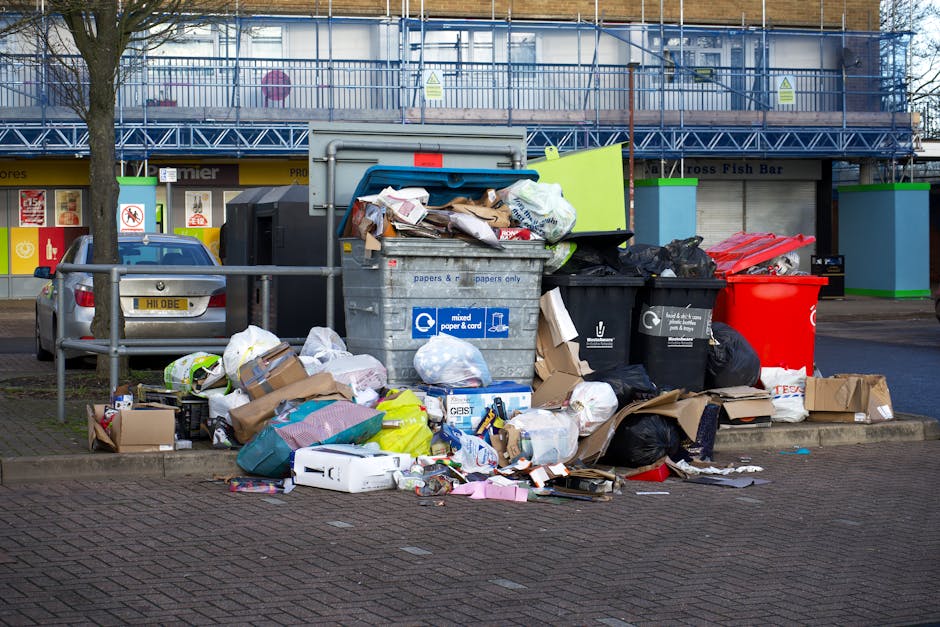
If you live in Thornton Heath, you already know that household rubbish can become a nuisance fast. One week it is a flat-pack box by the hallway, the next it is a tired sofa, a broken washing machine, and a bin area that looks busier than the High Street on a Friday evening. This Household rubbish removal Thornton Heath streets guide is here to make the process simpler, safer, and far less stressful. Whether you are clearing out a flat, managing a house move, or just trying to get back on top of the clutter, the aim is the same: remove waste properly and with as little hassle as possible.
This guide walks you through how rubbish removal works on local streets, what to prepare, what to avoid, and how to choose the right approach for the job. Along the way, you will also find practical tips, a comparison table, a checklist, and answers to common questions people ask when they need domestic waste cleared quickly.
Contents
- Why this guide matters
- How household rubbish removal works
- Key benefits and practical advantages
- Who this is for and when it makes sense
- Step-by-step guidance
- Expert tips for better results
- Common mistakes to avoid
- Tools, resources and recommendations
- Law, compliance and best practice
- Options and comparison table
- Case study or real-world example
- Practical checklist
- Conclusion
- Frequently asked questions
Why Household rubbish removal Thornton Heath streets guide Matters
Thornton Heath has a lived-in, busy character. There are terraces, maisonettes, flats above shops, small gardens, and shared accessways that can make waste disposal feel more complicated than it should. A mattress left in the wrong place or a few bags stacked by a narrow pavement can quickly become a problem for neighbours, passers-by, and anyone trying to keep the frontage tidy.
That is why a streets-focused guide matters. It is not just about getting rid of waste. It is about understanding how rubbish removal fits around everyday life on local roads, where collection access can be tight, where parking may be awkward, and where timing matters. If you have ever tried to move a bulky item through a tight hallway at 8 a.m. while someone is also trying to reverse a car nearby, you will know exactly what I mean.
There is also a trust angle. Household waste should be handled by a responsible carrier, and it should end up where it is supposed to end up. Not in a hedge, not dumped round the corner, and not treated as someone else's problem. Good rubbish removal supports cleaner streets, better neighbour relations, and a calmer home environment. Simple, really, but that is the point.
How Household rubbish removal Thornton Heath streets guide Works
At street level, domestic rubbish removal usually follows a straightforward pattern: you identify the waste, separate what can be reused or recycled, arrange collection or loading, and make sure the items are taken away by a suitable carrier. The practical details change depending on the type of waste and the access at your property.
In a typical Thornton Heath street setting, the process often looks like this:
- Sort the items into general rubbish, recyclables, bulky waste, garden cuttings, and specialist items such as appliances.
- Check access for gates, stairwells, front steps, parking restrictions, and narrow pavements.
- Estimate the volume so you know whether it is a few bags, a single item, or a full clearance.
- Choose a disposal method based on speed, effort, and the type of waste.
- Arrange safe removal with enough notice to avoid clutter building up outside.
- Confirm responsible disposal so the waste is handled in line with normal UK standards and duty-of-care expectations.
For many households, the most useful starting point is a clear domestic collection service such as domestic waste collection in Croydon. If the load is mixed, bulky, or tied to a bigger declutter, a wider rubbish collection service may be the more practical fit. Truth be told, choosing the right option early saves a lot of back-and-forth later.
One small but important point: if the waste includes furniture, appliances, or renovation debris, it is worth treating those items separately in your planning. A sofa and a kettle are not the same logistical problem, and the street outside certainly knows the difference.
Key Benefits and Practical Advantages
A good rubbish removal plan is about more than a tidy front garden or a clear hallway. The real benefits show up in day-to-day life, especially in dense neighbourhoods where space is limited and everyone notices when waste lingers too long.
- Less clutter at home - clearing waste early stops piles growing into a bigger job.
- Safer access - fewer trip hazards on stairs, paths, and shared entrances.
- Better neighbour relations - nobody enjoys bags blocking a pavement or a bin store.
- Cleaner presentation - useful if you are moving out, letting a property, or preparing for visitors.
- Less personal strain - heavy lifting and repeated trips are tiring, and not just in a poetic sense.
- More reliable disposal - a professional route reduces the risk of fly-tipping or missed recycling opportunities.
In some homes, the biggest win is simply peace of mind. You walk into the kitchen, see the floor, and think, ah, that is better. It sounds small, but a clear space changes how a home feels. And if you are juggling work, family, or a move, that small feeling matters more than people admit.
Who This Is For and When It Makes Sense
This guide is useful for a wide range of Thornton Heath households. You may need it if any of the following sound familiar:
- You are decluttering a flat or terraced house.
- You are clearing after a tenancy change or a house move.
- You have bulky furniture that will not fit in a normal bin lift.
- You are dealing with a shed, loft, or spare room that has quietly filled up over the years.
- You are replacing appliances and need the old ones removed safely.
- You have garden waste after a tidy-up and do not want bags sitting around for days.
- You run a home business and need occasional domestic waste help alongside everyday living.
It also makes sense if you value convenience over doing multiple trips to a tip or waste facility. Let's face it, most people do. If you are on a busy road, parking alone can turn a simple disposal job into a mild afternoon saga. Then there is loading, lifting, and trying not to scratch the wall on the way out. No one needs that drama.
For larger domestic clearances, you may want to look at broader options such as house clearance in Croydon or, where old storage spaces have become the problem, loft clearance support. If the issue is old chairs, wardrobes, or a sagging three-piece suite, then furniture removal or furniture disposal may be the cleanest route.
Step-by-Step Guidance
If you want a smooth result, it helps to treat rubbish removal as a small project rather than a chore you keep postponing. A little structure goes a long way.
1. Walk through the property slowly
Start at the front door and move room by room. Notice what is actually waste, what can be donated or reused, and what needs special handling. Old toys, half-finished DIY materials, broken storage boxes, appliance packaging, and worn-out furniture often appear in the same sweep. That mix is normal.
2. Separate bulky items from bagged waste
Bulky items take up the most space and usually shape the collection plan. If you know there is a sofa, mattress, fridge, or wardrobe involved, list it separately. This helps you avoid underestimating how much room the waste will need in the vehicle or at the kerbside.
3. Think about access before collection day
Thornton Heath streets can vary a lot. Some homes have straightforward front access; others have narrow paths, tight staircases, or limited parking. If waste has to be carried a long way, that changes the time and effort needed. It may also affect how you should stack the items and where they can be safely placed before uplift.
4. Avoid mixing hazardous or specialist waste with general rubbish
Paint, chemicals, sharps, certain electricals, and some renovation waste need extra care. If you are unsure, ask first rather than assuming. That is one of those moments where a five-second question saves a messy five-hour problem later.
5. Choose the disposal route that matches the job
A few bin bags may only need a simple pickup arrangement. A household clear-out after moving, however, may be better suited to a wider clearance service. If there are appliances or old kitchen items, you may need a more specific approach such as white goods and appliance disposal. For outside waste after a garden tidy, garden waste removal can be more appropriate.
6. Confirm what happens after collection
A reliable service should explain how items are sorted, reused, recycled, or disposed of. If you care about sustainability - and many people do - this is worth asking about. A responsible approach is not flashy. It is simply better.
Expert Tips for Better Results
After enough household clearances, a few patterns become obvious. These are the small things that make the job easier.
- Pack waste by type - bags, cardboard, wood, furniture, and electricals are easier to handle when grouped sensibly.
- Keep walkways clear - it sounds obvious, but people often forget the hallway becomes the bottleneck.
- Take photos first - useful when you want an accurate quote or need to explain a mixed load.
- Be honest about volume - underestimating waste leads to awkward surprises. Nobody likes those.
- Schedule around neighbours - if you live in a shared building, choose a time that avoids peak foot traffic.
- Ask about recycling separation - some loads can be split more intelligently than people realise.
Here is a practical one: if you have a room full of mixed items, start with the stuff you know you will definitely keep or definitely throw away. That clears the mental fog. Then the rest seems less intimidating. Funny how that works.
If you are planning a bigger clear-out linked to home improvements, it may help to read about builders waste disposal as well. Even a small DIY job can generate more material than expected: broken plasterboard, old tiles, packaging, timber offcuts, the lot.

Common Mistakes to Avoid
Most rubbish removal headaches come from a handful of avoidable mistakes. They are easy to make, especially when you are in a rush.
- Leaving everything until the last minute - waste piles up quickly and becomes harder to sort.
- Assuming every item is the same - furniture, appliances, and general waste need different handling.
- Blocking shared access - a narrow stairwell or communal path can become a problem fast.
- Ignoring weight - a bag that looks manageable can be surprisingly heavy once lifted.
- Forgetting recycling opportunities - some materials should not simply be thrown together.
- Using an unverified carrier - if waste is dumped illegally, the original holder may face questions. Not ideal, to put it mildly.
A subtle but important mistake is forgetting about timing. If a collection is arranged for early morning, make sure items are ready the night before but not so early that they clutter the street unnecessarily. In a neighbourhood like Thornton Heath, balance matters. Your waste should be out of your way without becoming everyone else's obstacle.
Tools, Resources and Recommendations
You do not need specialist equipment for every household rubbish job, but a few simple tools can help.
- Heavy-duty bags for mixed household rubbish and lighter clutter.
- Gloves to protect hands when carrying sharp-edged or dusty items.
- Dolly or sack truck for heavier items where access allows.
- Labels or marker pens for marking keep, donate, and remove piles.
- Dust sheets if you are moving waste through clean rooms or hallways.
- Phone photos to document the load before removal and avoid confusion.
For people who want a more rounded waste approach, it helps to explore service pages that match the task. For example, waste clearance is useful when the load is varied; waste disposal is a good fit when you want a broader solution; and services overview can help you see the wider picture before deciding.
If your concern is more about how a provider operates than what they collect, it is sensible to look at pages covering waste carrier licence and compliance, insurance and safety, and recycling and sustainability. Those are the kinds of details that build confidence, and rightly so.
Law, Compliance, Standards, or Best Practice
Household rubbish removal is not just a practical task; it also sits within ordinary UK expectations around waste handling. Without getting overly technical, the key point is simple: waste should be transferred to a legitimate carrier and managed responsibly. If you are paying someone to remove rubbish, you should expect them to handle it in line with proper duty-of-care standards.
That means a few things in practice:
- Use a responsible waste carrier - one that can explain how waste is taken away and processed.
- Do not assume all items are acceptable - specialist waste may need separate handling.
- Keep records where sensible - especially if you are clearing multiple loads or managing a property.
- Stay alert to illegal dumping risks - very cheap offers can sometimes hide poor practice.
If you live in a shared building or a street with limited frontage, best practice also includes being considerate about placement. Items should not obstruct pavements, entrances, or emergency access. A neat pile is not just visually better; it is safer and kinder to everyone using the street.
For readers who want reassurance about working with a transparent local operator, pages such as about us, terms and conditions, privacy policy, cookie policy, and payment and security can help show how the business handles trust, data, and transactions. It is not glamorous reading, but it matters. Rather a lot, actually.
Options, Methods, or Comparison Table
Different rubbish removal methods suit different needs. The best choice usually comes down to volume, urgency, access, and how much heavy lifting you want to do yourself.
| Method | Best for | Advantages | Watch-outs |
|---|---|---|---|
| Bagged self-clearance | Small amounts of general household rubbish | Low-cost and simple if you already have transport | Time-consuming, awkward parking, repeated trips |
| Bulky item pickup | Sofas, mattresses, wardrobes, appliances | Good for heavy or awkward single items | Access and lifting still need planning |
| Domestic waste collection | Mixed household waste and routine clear-outs | Convenient and usually easier to schedule | May require clear item breakdown for accurate planning |
| Full house clearance | Moves, bereavement clearances, major decluttering | Most thorough and least stressful for larger jobs | Needs good preparation and clear instructions |
| Specialist disposal | Appliances, garden waste, builder-type debris | Better handling of specific materials | Not every item belongs in the same pile |
There is no single "best" option for every street or household. A one-bed flat off a busy road and a family house with side access will almost never need the same approach. And that is fine. The trick is matching the method to the job, not forcing the job to fit the method.
Case Study or Real-World Example
Consider a typical Thornton Heath scenario. A family has been in the same house for years. The front room now holds a broken armchair, a chest of drawers with one missing handle, several bags of mixed clutter, and an old freezer that stopped working sometime around the last cold snap. The back room has garden waste, and the loft has become the unofficial home of everything no one wanted to deal with in winter.
On paper, it sounds like a nightmare. In reality, the problem is mostly organisation. The family starts by separating items into four groups: keep, donate, recycle, and remove. They move the furniture into one area, gather the bagged waste into another, and photograph the bulky items so they can explain exactly what is there. Because access is tight, they arrange the collection for a time when parking is easiest and neighbours are less likely to be coming and going.
The result is not just a cleaner house. The whole place feels lighter. The hallway clears, the front step becomes usable again, and there is no longer a constant sense that the next task is waiting in the corner. That is the real value of a well-planned removal. Not just less rubbish. Less friction.
In similar situations, people often benefit from a combination of services rather than one generic approach. A household might need furniture disposal for the bulky items, garden waste removal for the outdoor piles, and a wider house clearance service when the volume starts to feel overwhelming. That mix-and-match approach is often more sensible than trying to force everything into one neat label.
Practical Checklist
Use this quick checklist before arranging household rubbish removal in Thornton Heath:
- Have I sorted the waste into general, bulky, recyclable, and specialist items?
- Do I know which items must be kept separate?
- Is there a clear route from the items to the exit?
- Will access be easier at a specific time of day?
- Have I checked for heavy or awkward objects that may need extra help?
- Have I taken photos for reference?
- Do I know whether I need domestic collection, furniture removal, or a full clearance?
- Have I asked how the waste will be handled after pickup?
- Am I clear on pricing and payment details before booking?
- Will the removal leave the street, hallway, and entrance tidy?
If you can tick off most of those points, the rest usually goes smoothly. It does not have to be complicated. In fact, the more ordinary it feels, the better the outcome tends to be.
Conclusion
Household rubbish removal in Thornton Heath works best when you treat it as a practical local task, not a last-minute scramble. Streets, access, parking, neighbours, and item type all matter. Once you account for those details, the job becomes much more manageable. A clear plan saves time, reduces stress, and helps ensure waste is removed in a responsible way.
Whether you need one bulky item taken away or a full domestic clear-out, the key is to match the method to the material and the street to the schedule. That is the heart of this Household rubbish removal Thornton Heath streets guide: stay organised, stay considerate, and choose the route that keeps your home and your street in good shape.
Get a free quote today and see how much you can save.
And if the job feels a bit too big right now, that is perfectly normal. Start with one corner, one room, one load. Momentum has a funny way of building once the first bag is gone.
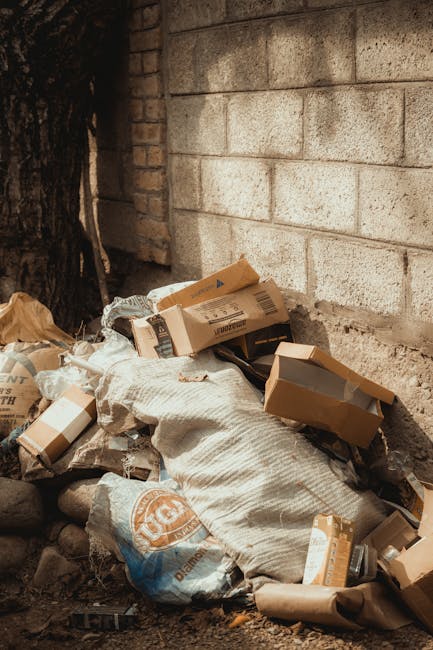


 Tipper Van - Domestic Waste Collection and Rubbish Removal Prices in Croydon, CR0
 Luton Van - Domestic Waste Collection and Rubbish Removal Prices in Croydon, CR0